Stay updated with all NCLT-related developments that impact BBCL. This section explains court orders, monitoring committee mandates, legal rights of plot holders, compliance requirements, and how different development models affect ownership and protection under insolvency law. Written in simple language, it helps every plot holder understand the legal roadmap and make informed decisions.
This is the multi-page printable view of this section. Click here to print.
NCLT Insights & Legal Guidance
- 1: BBCL Before Insolvency: What Really Happened
- 2: Developer vs Contractor: Who Should Control Our Land and Our Money?
- 3: New Team, New Ideas – But No Worry About Your Increased Payment
- 4: Where Do We Stand Today — And What Should We Do Next?
- 5: Contractor Model Roadmap 2026 - A Practical Path Forward for BBCL Plot Holders
- 6: BBCL Contractor Model Implementation Coordination Team
- 7: Why Developer Model Is Fundamentally Risky Irrespective of Initial Investment
1 - BBCL Before Insolvency: What Really Happened
Many plot holders are still unsure why the Baruipur Bloomfield City (BBCL) project stopped and how it reached insolvency. This confusion is natural because the project structure was complex and not clearly explained to buyers at the beginning. Understanding what happened before insolvency helps plot holders see the real reasons for delay, confusion, and risk—and also helps everyone make better decisions going forward.
This article explains the situation in very simple language, without legal terms, so that every plot holder can understand how the project worked, where it failed, and why this history matters today.
👉 BBCL was never a simple, single-company project. It was a network of companies, land parcels, and agreements.
When coordination failed, everything stopped.
Any future solution must:
- Keep land, money, and decisions under one transparent control
- Move phase by phase, not all at once
- Be driven by plot holders themselves, not outsiders
Awareness of this past helps the community make safer, clearer, and more informed choices together.
One Project, But Three Companies
At first glance, BBCL looked like one single township project. Most buyers believed they were dealing with one company. In reality, the project was handled through three different companies working together as a group.
These companies were:
- Suryodaya Realtors Private Limited (SRPL)
- Sampark Land Developers Private Limited (SLDPL)
- Sampark Land and Builders Private Limited (SLBPL)
All three were controlled by the same promoters but existed as separate legal entities.
This matters to plot holders because payments, agreements, and land ownership were spread across different companies. When problems arose, it was not clear which company was responsible for what. This made accountability difficult and later created legal complications for buyers.
Who Owned the Land
Together, the three companies purchased about 139 bighas of land. However, the land status was mixed:
- Around 120 bighas were registered
- About 19 bighas were not registered, though advance payment was made
- Sale agreements existed for about 108–110 bighas
- Sale agreements covering 85.19 bighas of land were not registered in the names of the respective plot holders.
- Sale agreements covering 13.31 bighas of land were registered in the names of the respective plot holders.
Some plots were registered in company names, some were later registered in individual buyers’ names, and some land was still pending registration.
For plot holders, this meant the land was not fully connected or complete. Because some pieces were missing or unregistered, basic development like roads, drainage, and proper boundary marking could not be done smoothly. Even if most land was bought, a few missing pieces could block the entire layout.
How Plot Buyers Paid Money
Marketing of the project was done under SLDPL. Most plot holders paid their installments to SLDPL.
However:
- Sale agreements were often signed with SLDPL
- Final ownership transfer (conveyance) was supposed to be done by SRPL
- The actual land could belong to SRPL or SLBPL
Money collected by SLDPL was shared internally among the group companies. Around ₹9 crore was transferred to SRPL.
For buyers, this created confusion. Payments went to one company, agreements mentioned another, and land ownership involved a third. When things went wrong, buyers did not know whom to approach or hold responsible.
How Work Was Divided Internally
Inside the group, directors had divided responsibilities:
- Some handled land purchase and development work like roads and drainage
- Some handled marketing and administration
- One handled accounts, banking, and legal work
In October 2015, the two directors responsible for land acquisition and development resigned suddenly.
This directly affected plot holders. Once the people managing land and ground work left, development slowed and then stopped. There was no strong replacement system, and coordination broke down.
Why Development Stopped
Development stopped mainly because the land was incomplete and scattered:
- Proper demarcation could not be done
- Roads and drainage could not be built without continuous land
Seeing no visible progress, many plot holders stopped paying further installments. They felt it was unfair to pay without seeing development.
This led to a cash crunch for the companies. Without money, work could not continue. Without work, buyers refused to pay.
This created a deadlock: no development and no payments.
Loans and Financial Stress
To manage the crisis, SLDPL took loans:
- ₹35 lakh from Greenland Projects
- ₹15 lakh from Toddlen Fashions Private Limited
To secure these loans, promoters pledged 76% of their shares across all three companies.
Even with loans, the project did not recover. Costs increased, trust reduced, and work did not restart properly.
For plot holders, this increased risk. The companies became financially weak, and control over shares reduced.
Refund Demands and Legal Pressure
As delays continued, many buyers demanded refunds with interest. Legal notices were sent to SLDPL.
However:
- Most money had already been spent
- Land development was incomplete
The companies were stuck. They could not give possession, and they could not refund money either.
This situation led to official default.
Entry Into Insolvency (CIRP)
In 2020, SRPL itself applied for insolvency under the Insolvency and Bankruptcy Code. The NCLT Kolkata admitted the case on 30 April 2021.
A Resolution Professional (RP) was appointed, and control moved from promoters to the court-supervised insolvency process.
For plot holders, this meant decisions were no longer in the hands of the original promoters. The project came under legal supervision.
What the Resolution Plan Tried to Fix
Plot buyers themselves proposed a resolution plan. The idea was to:
- Form a Special Purpose Vehicle (SPV) made up of plot buyers
- Use the SPV to take control of all three companies together
Why all three? Because land, money, and operations were deeply connected. Fixing only one company would not work.
The simple logic was: one project must be resolved together.
How the Project Was Supposed to Work (Original Design)
Originally:
- SLDPL was to handle marketing, development, plotting, and buying/selling land
- SRPL and SLBPL were to hold land titles and comply with land ceiling laws
- Buyers, SLDPL, and SRPL/SLBPL were to sign tri-partite agreements
This structure needed strong coordination. Once coordination failed, the entire system collapsed.
For plot holders, the complexity meant delays were hard to fix once problems started.
Why This Matters to Plot Holders Today
BBCL failed not because of one single mistake, but due to:
- Fragmented land ownership
- Multiple companies
- Sudden exit of key directors
- Payment deadlock
- Weak execution control
Understanding this history helps plot holders:
- See why insolvency happened
- Understand why collective solutions like an SPV are proposed
- Avoid repeating the same mistakes in future planning
Key Takeaway (In Simple Words)
BBCL was never a simple, single-company project. It was a network of companies, land parcels, and agreements.
When coordination failed, everything stopped.
Any future solution must:
- Keep land, money, and decisions under one transparent control
- Move phase by phase, not all at once
- Be driven by plot holders themselves, not outsiders
Awareness of this past helps the community make safer, clearer, and more informed choices together.
2 - Developer vs Contractor: Who Should Control Our Land and Our Money?
For many plot holders, the biggest question today is simple: who controls our land and our money during development? This matters because land is our lifetime asset, and money comes from our own pockets. Once control is given away, getting it back is very difficult.
At first glance, a developer-led model looks fast and attractive. Big promises, fixed timelines, and talk of “investment” sound reassuring. But when we read the details carefully, the picture changes. This article explains, in very simple terms, why a developer-controlled agreement is risky and why a contractor model is safer and more practical for plot holders.
As the Bengali proverb says: “চকচক করলেই সোনা হয় না” — what shines from outside is not always gold.
👉 You waited for your land for more than a decade.
Waiting a little more — with control and protection — is far safer than
rushing into a risky agreement.
There is no shortcut in life.
We must walk carefully to reach safely.
Stay calm. Stay informed.
The Core Question: If We Pay the Money, Why Should We Lose Control?
Let us start with a basic idea.
- In the developer model:
The developer says he will “invest”, owners give land, and the developer controls everything. - In the contractor model:
Owners invest money step by step, and the contractor works under the owners’ control.
Here is the key truth that is often misunderstood:
👉 In Mr. Rajesh Mishra’s proposal, the claim of “₹5 crore investment” is a myth. Under the proposed agreement, plot holders are required to pay substantial amounts within 90 days. Only after collecting this money from us does the developer plan to start work—and then present that spending as his “investment”.
Ask yourself a simple question: Have we been told that the developer will first purchase the remaining land, complete demarcation, allocate plots to all plot holders, and only then—after 6 months or 1 year—ask us to pay? The answer is no.
The reality is the opposite:
- We are asked to pay first
- The developer uses that money to develop the project
- And then claims that he is “investing”
In plain terms, this means:
“You provide the money, I will spend it, but I will keep full control.”
As the familiar Bengali saying goes: সবাই কই মাছের তেলে কই ভাজবে — the fish is being fried in its own oil.
What Real Developer Investment Looks Like (A Simple Example)
Imagine you own 5 katha land in a city.
- A real developer comes.
- He builds a flat using his own money.
- He keeps you in a rented house till construction is complete.
- After completion:
- You get part of the flat.
- He sells his share and makes profit.
👉 You invest ZERO money.
👉 The developer invests everything.
Now compare this with our situation:
- We collectively hold around 120 bigha land, worth tens of crores.
- We are asked to:
- Give land control
- Pay large sums within 90 days
- Accept forfeiture risk
So who is really investing?
If we are paying, then we do not need a developer.
We need a contractor.
Why the Proposed Developer Agreement (of Rajesh Mishra) Is Risky
1. Land Moves Outside NCLT Protection
What it means in simple words:
The agreement asks for:
- Joint Development Agreement
- Power of Attorney (PoA)
- Land purchases in the developer’s name
Why this matters:
Once land control moves to a private developer:
- The land effectively goes outside NCLT supervision
- Court protection weakens
- If something goes wrong, recovery becomes very hard
NCLT exists to protect stakeholders, not to hand over control to one party.
2. Too Much Power in One Hand
The developer gets rights to:
- Relocate plots
- Extend project area
- Use infrastructure meant for existing plot holders
- Sell plots to new buyers
- Decide timelines and sequencing
For plot holders, this means:
- Owners become spectators
- Monitoring committee has no real control
- Promises depend only on trust
Control quietly shifts away from the real owners.
3. Forfeiture Risk: Miss a Deadline, Lose Everything
The agreement clearly says:
- If payment is not made within 90 days
- Plot is forfeited with NO REFUND
This affects:
- Retired people
- Middle-income families
- NRIs with fund-transfer delays
One financial difficulty can wipe out 10–15 years of waiting.
This is punishment, not rehabilitation.
4. Refund Looks Good on Paper, Weak in Reality
Refunds are advertised, but:
- They come after 24–36 months
- Total refund is capped
- It is first-come-first-serve
- After 90 days, surrender option disappears
Many plot holders may never actually receive refunds.
5. Rising and Multiple Payments
Plot holders are asked to pay:
- Around ₹55,000 per katha
- Plus ₹50,000 lump sum
- Plus 18% GST
- Plus future escalation
Money goes upfront, but:
- No escrow-style safety
- No payment linked strictly to work progress
High exposure, low control.
6. Cancellation Without Fair Protection
If payments are delayed:
- Plot is cancelled
- Earlier money is effectively lost
- Shares may also be forfeited
Risk is one-sided. Owners carry all the burden.
7. All Extra Costs Shifted to Plot Holders
After registration, plot holders must pay for:
- Land conversion and mutation
- Boundary walls
- Shared boundary protection
Developer controls the project but avoids responsibility.
8. No Clear Exit If Developer Fails
There is no strong safeguard if:
- Developer delays
- Developer fails
- Developer faces financial trouble
At that point:
- Land control is gone
- NCLT protection is weak
- Plot holders are stuck
Why a Contractor (Arun Kedia) Model Makes More Sense
In a contractor model:
- Land stays with BBCL / plot holders
- NCLT protection continues
- Money is collected step by step
- Contractor is paid only for completed work
- No PoA over land
- No forfeiture of ownership
The contractor:
- Builds roads, drainage, utilities
- Gets paid for work done
- Does not own, sell, or control land
This is simple, practical, and safer.
About “No Alternative” Fear
Some people ask:
“If not this developer, then what?”
This fear is often used to silence questions.
Once upon a time people thought India could not win without Sachin Tendulkar.
India is still winning.
Nothing is indispensable.
There are always alternatives if we keep control and think calmly.
Addressing the Fear and Pressure in Contractor (Arun Kedia) Model
- We will not forfeit your land
- We will not force huge payments in 90 days
- Payments will be phased and affordable
- Registered or unregistered, fully paid or partially paid — no one will be left behind
- If someone cannot invest now due to financial difficulty, options will be created, not punishment
If a developer (Rajesh Mishra) says:
“If you put conditions, I will leave.”
Then the answer is simple:
Thank you for your interest. We have better options.
Final Thought for Plot Holders
You waited for your land for more than a decade.
Waiting a little more — with control and protection — is far safer than
rushing into a risky agreement.
There is no shortcut in life.
We must walk carefully to reach safely.
Stay calm. Stay informed.
Awareness is our strongest protection.
3 - New Team, New Ideas – But No Worry About Your Increased Payment
The recent physical meeting of plot holders has opened a new chapter for Baruipur Bloomfield City.
If the current Board accepts the resolution passed by the plot holders, an expanded and more active team will soon join the Board. This is not about replacing individuals - it is about strengthening governance, speeding up execution, and meeting the NCLT timeline responsibly.
However, one concern is repeatedly being raised:
“Will there be forced higher payments?”
Let us address this clearly and responsibly.
👉 There is cautious hope ahead.
Let us move forward responsibly, transparently and united.
The goal is not to pressure anyone. The goal is to complete what was started - with dignity and fairness.
Stay positive. Stay informed. Stay engaged.
1️⃣ No Forced Increase Beyond NCLT Direction
Any financial requirement will strictly follow the framework permitted under the NCLT Order.
There will be:
- No arbitrary escalation
- No unilateral demand
- No coercive pressure
Every step will remain within the legal framework.
2️⃣ Understanding the 14-Year Reality
Fourteen years is a long time.
When many plot holders invested:
- Their family situations were different
- Their financial capacity was different
- Their long-term plans were different
Since then:
- COVID disrupted livelihoods
- Medical emergencies occurred
- Some plot holders are no longer with us
- Many have retired or changed professions
We cannot ignore this human reality.
Development must be sensitive - not mechanical.
3️⃣ Flexible and Humane Approach
If additional contribution becomes necessary within legal limits, the approach will be practical and compassionate:
- Reasonable timeline for payment
- EMI / phased payment facility
- Case-by-case flexibility
- No immediate cancellation mindset
- Adequate opportunity to arrange funds
No decision will be taken against the will of a plot holder without fair opportunity.
4️⃣ Respect for Ownership Rights
We clearly affirm:
- No one’s plot rights will be forcefully taken.
- No coercive surrender of ownership.
- No hidden clauses.
- No unilateral land handover beyond legal structure.
Plot holders remain central to the project.
5️⃣ Assistance in Special Situations
We are aware that:
- Some original investors have passed away
- Legal heirs may be facing documentation complexity
- Some families may want to transfer ownership
- Some may wish to restructure their holding
We will try to make:
- Transfer to legal heirs easier
- Lawful ownership transitions smoother
- Compliance processes transparent
Though the NCLT framework does not provide simple refund mechanisms, we will try to assist genuinely distressed cases within the legal framework wherever possible.
6️⃣ Why This Movement Started
One year ago, many ordinary plot holders felt unheard.
There was confusion. There was lack of clarity. There was silence.
The movement was not for personal gain. It was for:
- Transparency
- Accountability
- Democratic participation
- Respect for small investors
We stood for those whose voices were ignored.
That commitment remains unchanged.
7️⃣ New Energy, Not New Burden
Yes, a new team may bring:
- New ideas
- Better coordination
- Structured execution plans
- Professional consultation
- Faster compliance
But that does not mean new burden.
It means responsible revival.
8️⃣ A Message to Every Plot Holder
Do not panic. Do not fear rumours. Do not assume worst-case scenarios.
We will:
- Act within law
- Respect your rights
- Communicate clearly
- Move collectively
There is cautious hope ahead.
Let us move forward responsibly, transparently and united.
The goal is not to pressure anyone. The goal is to complete what was started - with dignity and fairness.
Stay positive. Stay informed. Stay engaged.
4 - Where Do We Stand Today — And What Should We Do Next?
Many plot holders are confused today.
What is the current status of the project? Why is there so much delay? What options do we have? Why are people talking about going to NCLT again?
This article is written to explain everything in simple language.
Even if you read only this article, you should clearly understand:
What has happened so far? Why the situation has reached here? What choices we have? Why your support is important?
Final Thought — This Is About All of Us
This is not about individuals.
This is about:
- Completing what was started
- Making the system work
- Protecting everyone’s interest
👉 A system can only work when its basic steps are completed
👉 If something is incomplete, it needs to be corrected
Quick Summary — What You Need to Know First
Let us start with the most important points:
- The project was already taken to NCLT once to protect plot holders
- NCLT gave a structured solution on 2 August 2023
- A company (BBCL) was created to execute that plan
- Some basic steps like share issuance were expected early
- Even after ~2.5 years, that basic step is still not completed
Because of this:
- Governance is unclear
- Plot holders cannot formally participate
- Decisions remain limited to a few people
Now there are only three possible paths:
- Do nothing → uncertainty continues
- Hope internal resolution happens → possible, but unclear
- Approach NCLT again → structured solution
👉 This is why many plot holders are now considering going back to NCLT.
👉 For that, your feedback and support are very important.
Background — How We Reached This Situation
To understand today’s situation, we must look at the full journey.
From Developer Failure to NCLT
Earlier, the project was under a developer model.
That model failed.
As a result:
- The companies went into liquidation
- The future of the project became uncertain
At that stage, around 25 plot holders approached NCLT.
Their request was simple:
👉 Let the plot holders take control and complete the project.
NCLT Order — A Fresh Start
On 2 August 2023, NCLT passed an order.
This order allowed:
- Creation of a company (SPV)
- Development by plot holders themselves
- A structured and time-bound plan
This was a major opportunity.
👉 The project got a second life.
Formation of BBCL
After the order:
- Baruipur Bloomfield City Limited (BBCL) was formed
- Directors were appointed
- They were expected to implement the plan
The expectation was very clear:
- Complete compliance
- Issue shares
- Build governance
- Start development
What Is Share Allotment — And Why It Matters
This is the most important concept to understand.
What is it?
Share allotment means:
👉 You become an official shareholder of the company
Why is it important?
Without shares:
- You are not formally part of the company
- You cannot vote
- You cannot change directors
- You cannot participate in governance
Simple Example
Think of it like this:
- A society is formed
- But membership is never given
Then:
- 👉 Who will vote?
- 👉 Who will decide?
No one.
Why plot holders should care
If shares are not issued:
- You remain dependent on others
- You cannot exercise your rights
- You cannot bring change
What Has Happened in the Last 2.5 Years
Now let us look at facts.
- NCLT order was passed in August 2023
- BBCL was formed
- But shares have not been issued till today
At the same time:
- Multiple meetings happened
- Plot holders asked for clarity
- Discussions continued
But the most basic step is still pending.
Why This Creates a Problem
Let us understand this carefully.
If shares are not issued:
- There are no formal shareholders
- There is no structured voting system
- Board cannot be changed democratically
So effectively:
👉 Governance remains limited
Even if unintentionally, this creates a deadlock situation.
What Happened Recently — 21 February Meeting
A meeting of plot holders was held on 21 February 2026.
In that meeting:
- Majority supported strengthening the Board
- Proposal was made to add new directors
But:
- That proposal has not been implemented
A Question Every Plot Holder Should Ask
At this point, a simple question arises:
👉 Why has such a basic step like share issuance not been completed in ~2.5 years?
We are not making any allegation.
But it is reasonable to think:
- Is this delay due to complexity?
- Or is it not being prioritised?
Because without shares:
👉 Proper governance cannot start
Why This Matters to You
This is not a technical issue.
It directly affects you.
If things remain unclear:
- Your plot value is at risk
- Project timeline becomes uncertain
- Decisions may not be participative
What Are Our Options Now
Let us keep it simple.
Option 1: Do Nothing
- Situation continues
- No clarity
- No control
Option 2: Wait
- Hope things improve
- But no guarantee
Option 3: Go to NCLT
Same authority that created the structure
Can enforce compliance
Can give direction
Can break deadlock
👉 This is not conflict
👉 This is course correction
NCLT Process — Not a New Case
Many plot holders may be concerned that going to NCLT means starting a completely new case.
That is not the situation here.
- The project is already under an existing NCLT matter
- Any application will be filed as an Interlocutory Application (IA) within the same case
- This means:
- The process is relatively simpler
- The background is already known to the Tribunal
- It may take comparatively less time for directions or clarification
👉 In simple terms: We are not starting from zero — we are requesting the same court to review and guide the existing process.
What Will Be Requested from NCLT (In Simple Terms)
If required, plot holders may request:
- Completion of share process
- Clear governance structure
- Extension of timeline
- Protection of project value
Protection of Project Value
Ensuring that no premature liquidation or auction is initiated without giving plot holders an opportunity to be heard before the Hon’ble NCLT, and that the project assets are safeguarded from value erosion.
Why Your Support Is Important
NCLT looks at facts.
But it also looks at:
👉 Stakeholder voice
Your support helps in:
- Showing ground reality
- Demonstrating majority view
- Strengthening the case
Feedback Form — Your Role
We will be sharing a simple feedback form.
It will ask 3 questions:
- Did you receive shares within 90 days?
- Have you received shares till today?
- Are you satisfied with current progress?
👉 Your honest response is important.
This is not about opinion.
👉 This is about documenting reality.
DOWNLOAD THE FEEDBACK FORM PDF
What Happens Next
- Awareness campaign
- Feedback collection
- General Meeting
- Majority decision
- Next steps accordingly
Final Thought — This Is About All of Us
This is not about individuals.
This is about:
- Completing what was started
- Making the system work
- Protecting everyone’s interest
👉 A system can only work when its basic steps are completed
👉 If something is incomplete, it needs to be corrected
Conclusion — Let Us Stay Informed and United
Every plot holder should:
- Understand the situation
- Think independently
- Participate responsibly
Because in the end:
- 👉 This is our project
- 👉 This is our collective responsibility
Let us move forward with awareness, clarity, and unity.
5 - Contractor Model Roadmap 2026 - A Practical Path Forward for BBCL Plot Holders
The Contractor Model Roadmap 2026 proposes a phased approach for restarting the BBCL project by allowing willing plot holders to move forward without indefinitely waiting for all stakeholders. This article explains the proposed Phase I, Phase II, and Phase III framework, including land acquisition, plot allocation, membership freeze dates, infrastructure development, and settlement options in simple language. Understanding the roadmap helps plot holders make informed decisions about participation, timelines, responsibilities, and the practical implications of joining early or later stages of the project.
For many years, BBCL plot holders have faced uncertainty, delays, changing plans, and unanswered questions. As a result, many families are understandably cautious about any new proposal.
The Contractor Model has been designed with one simple objective:
Move forward with the people who are ready, without permanently closing the door for those who need more time.
This article explains the proposed roadmap in simple language so that every plot holder can understand how the model is intended to work, why certain decisions are being proposed, and how the phased approach may help revive the project.
Roadmap at a Glance
The Contractor Model proposes a phased approach to revive the BBCL project.
Instead of waiting indefinitely for every plot holder to make the same decision at the same time, the project is divided into three separate phases based on participation.
The idea is simple:
- Those who are ready to move forward can start now.
- Those who need more time can join later.
- Those who no longer wish to continue may have an exit pathway in the future.
Phase I - Active Participants
This phase is intended for plot holders who are ready to participate immediately.
Key activities include:
- Finalizing participant list
- Land acquisition
- Survey and planning
- Plot allocation
- Registration
- Basic infrastructure development
Estimated timeline:
- Year 1: Land acquisition, planning, allocation, registration
- Year 2: Roads, utilities, and infrastructure
This phase creates the first functional and developable township area.
Phase II - Future Participants
This phase is intended for plot holders who prefer to wait and observe before making a decision.
Phase II follows substantially the same process as Phase I:
- Land acquisition
- Layout planning
- Plot allocation
- Registration
- Infrastructure development
Phase II is expected to begin only after major Phase I commitments are completed.
In practical terms, Phase II may start approximately two years after Phase I begins.
Phase III - Exit and Settlement
Some plot holders may decide that they no longer wish to continue with the project.
Phase III is intended to provide a future framework for voluntary exit and settlement.
Potential sources of settlement funds may include:
- Sale of surplus land
- Sale of surrendered plots
- Future project revenues
- Other approved sources
Because future market conditions cannot be predicted, settlement values cannot be guaranteed in advance.
Why the Three-Phase Approach Is Important
The phased model attempts to balance three different realities:
- Some people want to move forward immediately.
- Some people need more time to decide.
- Some people may wish to exit.
Instead of allowing these different preferences to stall the entire project, the roadmap creates separate pathways for each group while allowing development to continue.
Why a New Roadmap Is Being Proposed
One of the biggest challenges in large projects is that not everyone makes decisions at the same time.
Some people are ready to move forward immediately.
Some want to wait and observe.
Some may no longer wish to continue.
If a project waits indefinitely for every stakeholder to agree, development can remain stalled for years.
The Contractor Model attempts to solve this problem through a phased approach.
The basic principle is simple:
Those who are ready should be able to move forward, while others retain opportunities to participate later.
The Principle of Equal Treatment
One of the most important principles of the roadmap is:
If there is a rule, it must apply equally to all.
Historically, different plot holders may have purchased different plot categories, locations, or premium positions.
However, when a project requires restructuring and fresh planning, selective advantages can create disputes and delays.
The roadmap therefore proposes that all participants follow a common set of allocation rules.
This does not mean previous payments are ignored. Where higher prices were paid for premium categories, those differences can be considered through transparent and uniformly applied methods.
The goal is fairness rather than favoritism.
Why Land Acquisition Comes Before Plot Allocation
Many plot holders ask a simple question:
“Why can’t plots simply be allocated from the existing layout?”
The practical answer is that development requires a usable and contiguous land bank.
Before plots can be allocated, the project must know:
- How many people are participating
- How much land is required
- Which lands are available
- Where roads will be located
- Where utilities will be installed
Only after this information becomes clear can a reliable layout be created.
For this reason, land acquisition and land consolidation are proposed as the first major step.
Why Development Starts Near Baruipur-Amtala Road
The roadmap proposes beginning development from the front side of the project adjoining the Baruipur-Amtala Road.
This is suggested because:
- Road access already exists
- Utility connections are easier
- Construction logistics become simpler
- Costs can be reduced
- Development becomes more visible
- Early residents receive practical access
Instead of spreading resources across fragmented areas, the idea is to create a compact and functional township first.
Phase I - Active Participants
Phase I is intended for plot holders who wish to move forward immediately.
These participants accept that development requires action, coordination, and commitment.
Who Can Join
Any plot holder from any block may participate.
There is no distinction between Block A, Block B, or Block C.
All participating members are treated under the same rules.
Why Phase I Matters
Phase I participants take the earliest risks.
They also help determine:
- Land requirements
- Acquisition priorities
- Layout planning
- Infrastructure planning
- Development timelines
Without sufficient participation, no development model can succeed.
New Plot Allocation System
Under the proposed roadmap, participants may be relocated into the new Phase I development zone.
This means original plot locations may not be preserved.
This is proposed because the objective is to create a practical and compact township rather than replicate a fragmented historical layout.
Plot allocation would therefore be performed through a transparent lottery process.
This approach reduces disputes and ensures equal treatment.
Premium Plot Considerations
Some plot holders originally purchased:
- Corner plots
- Larger road plots
- Lake-facing plots
- Other premium locations
The roadmap recognizes that such plots may have been purchased at higher prices.
However, preserving every historical location may not be practical during restructuring.
Instead, proportional adjustments may be considered through transparent and uniformly applied rules.
No participant receives a guaranteed premium location.
Everyone participates under the same allocation process.
Phase I Membership Freeze Date
A formal Phase I Membership Freeze Date is proposed.
Before this date, interested plot holders should:
- Confirm participation
- Submit required information
- Complete necessary documentation
- Confirm willingness to participate in implementation activities
After the Freeze Date, the Phase I participant list may be locked for planning purposes.
Any person joining later may be considered under Phase II.
Why a Freeze Date Is Important
Without a Freeze Date:
- Land requirements remain unknown
- Acquisition planning becomes difficult
- Road layouts keep changing
- Infrastructure costs become uncertain
- Early participants bear unfair risks
The Freeze Date protects both the project and participating stakeholders.
Special Position of Registered Plot Holders
Some plot holders may already hold registered interests connected to lands that may be required for implementation planning.
For development to proceed efficiently, timely cooperation may be required for documentation, authorizations, and implementation activities.
If such lands are not made available for planning within the prescribed timeline, the project may be unable to include them in Phase I calculations.
As a result:
- Roads may be planned elsewhere
- Utility routes may bypass those lands
- Development layouts may be finalized without relying on those lands
This is not intended as a penalty.
It is simply a practical requirement for planning a large development project within a defined timeline.
Benefits of Joining Before the Freeze Date
Early participation provides several practical advantages.
Participants may receive:
- Earlier plot allocation
- Earlier registration opportunities
- Earlier infrastructure development
- Earlier possession opportunities
- Earlier exposure to future land value appreciation
Perhaps more importantly, early participants help shape the future township.
Those who participate later may need to accept decisions already implemented by the participating community.
Two Major Milestones of Phase I
Milestone 1 - Land and Registration
This stage focuses on:
- Land acquisition
- Survey work
- Layout creation
- Plot allocation
- Registration activities
The objective is to ensure participants receive clearly identified plots.
Milestone 2 - Infrastructure
After land allocation and registration, attention shifts to:
- Roads
- Drainage
- Electricity
- Water supply
- Utility corridors
The goal is to transform allocated land into usable residential plots.
No Phase II activities are proposed until Phase I commitments are substantially completed.
Phase II - Future Participants
Not everyone is comfortable making decisions immediately.
Some plot holders prefer to wait and observe.
The roadmap recognizes this reality.
Phase II is intended for stakeholders who choose not to join Phase I.
What Happens in Phase II
Phase II follows substantially the same framework:
- Land acquisition
- Layout planning
- Plot allocation
- Registration
- Infrastructure development
The same rules apply equally.
The primary difference is timing.
Phase II would begin only after Phase I obligations are substantially completed.
Why Separate Phases Are Necessary
Active participants should not be forced to wait indefinitely.
At the same time, later participants should not lose the opportunity to join.
Separate phases attempt to balance both interests.
Phase III - Exit and Settlement Option
Some plot holders may no longer wish to continue with the project.
The roadmap therefore contemplates an eventual exit pathway.
Who May Use This Option
Plot holders who prefer financial settlement instead of land participation.
How Settlement May Work
Potential funding sources may include:
- Sale of surplus land
- Sale of surrendered plots
- Future project revenues
- Other approved sources
Because future market conditions are uncertain, exact settlement values cannot be guaranteed in advance.
The objective is to provide a fair and practical mechanism whenever resources permit.
Why Transparency Matters
Many BBCL plot holders have experienced years of uncertainty.
Trust can only be rebuilt through transparency.
For this reason, every major step should ideally be:
- Documented
- Publicly explained
- Physically verifiable
- Open to stakeholder review
People are more likely to support a process when they can see tangible progress on the ground.
Collective Awareness and Participation
Every plot holder must ultimately decide what is best for their family and future.
The purpose of the Contractor Model is not to pressure anyone into a decision.
Its purpose is to create a structured framework that allows willing participants to move forward while preserving future opportunities for others.
Whatever view a plot holder takes, one principle remains important:
An informed decision is always better than a delayed decision based on incomplete information.
Understanding the roadmap, asking questions, participating in discussions, and reviewing proposed plans carefully are among the best ways for stakeholders to protect their interests and contribute to the future of the project.
6 - BBCL Contractor Model Implementation Coordination Team
The BBCL Contractor Model Implementation Coordination Team is a voluntary group of plot holders working to prepare the groundwork for implementing the proposed Contractor Model. This article explains why the team was formed, what responsibilities it performs, who can join, and how active plot holders can participate in planning, coordination, stakeholder engagement, and project implementation activities.
The Contractor Model can only succeed through active participation from plot holders.
To prepare for implementation, a voluntary Coordination Team has been formed to assist with planning, stakeholder engagement, implementation preparation, and project-related coordination activities.
This page explains the purpose of the team, its responsibilities, current members, and how interested plot holders can become involved.
Why Was the Coordination Team Formed?
Large projects do not move forward through ideas alone.
They require:
- Planning
- Coordination
- Communication
- Documentation
- Stakeholder engagement
- Practical execution
Over the past several months, discussions, meetings, surveys, and stakeholder interactions have indicated significant support among active plot holders for the Contractor Model as a practical path towards project implementation.
As a result, a dedicated Implementation Coordination Team has been formed to help prepare the groundwork required for execution.
What Does the Team Do?
The Coordination Team is a volunteer-driven working group.
Its objectives include:
- Coordinating implementation planning
- Supporting stakeholder communication
- Assisting with project preparation activities
- Supporting governance and compliance-related coordination
- Helping develop practical implementation strategies
- Encouraging transparency and stakeholder participation
- Supporting lawful and orderly implementation efforts
The team does not replace plot holders.
Instead, it acts as a coordination platform for stakeholders who wish to contribute their time and effort towards project revival.
Why Active Participation Matters
Many projects fail because only a small number of people perform all the work while others remain passive observers.
The Contractor Model is based on the belief that project revival requires active stakeholder involvement.
Ideas are important.
Discussions are important.
However, implementation ultimately depends on people who are willing to take responsibility for specific tasks and activities.
Who Can Join?
The team remains open to additional volunteers.
Any plot holder who:
- Supports the Contractor Model
- Wishes to contribute constructively
- Is willing to participate actively
- Is prepared to support implementation efforts
may express interest in joining the team.
Expectations From Team Members
This is a working team, not merely a discussion group.
Members are expected to:
- Attend physical meetings whenever possible
- Participate in online meetings
- Remain responsive on communication platforms
- Contribute positively to planning and coordination activities
- Accept responsibility for specific tasks when required
- Work collaboratively with other stakeholders
The strength of the team depends on active participation rather than membership numbers alone.
How to Join
Plot holders interested in joining the BBCL Contractor Model Implementation Coordination Team may contact the existing team members and express their interest.
Additional volunteers are always welcome.
The objective is simple:
Move from discussion to implementation and work collectively towards the successful completion of the BBCL project.
Collective Participation Builds Stronger Projects
The future of any community project depends not only on plans and proposals but also on the willingness of stakeholders to participate.
Every plot holder may not have the same availability, skills, or interests.
However, even small contributions can help move a project forward.
The Coordination Team is intended to provide a platform where willing stakeholders can work together, share responsibilities, and support the practical implementation of the Contractor Model.
Current Members of the Coordination Team
The following volunteers are currently part of the BBCL Contractor Model Implementation Coordination Team.
These members are contributing voluntarily towards implementation planning and coordination activities.

Ritu Sharmistha
Project Organizer
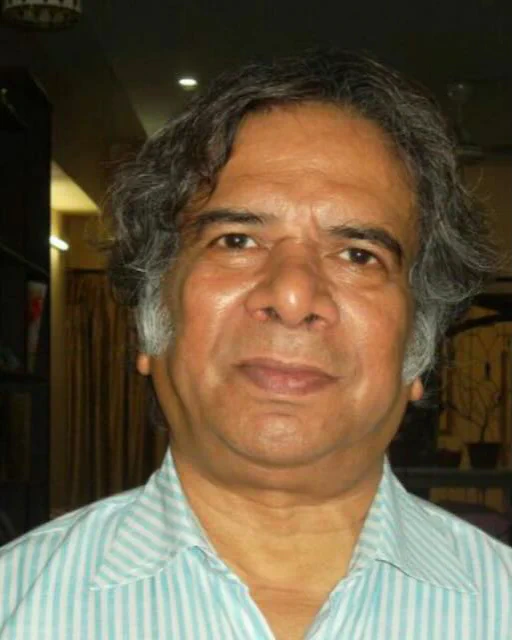
Dr Anand Sagar
Planning Coordinator
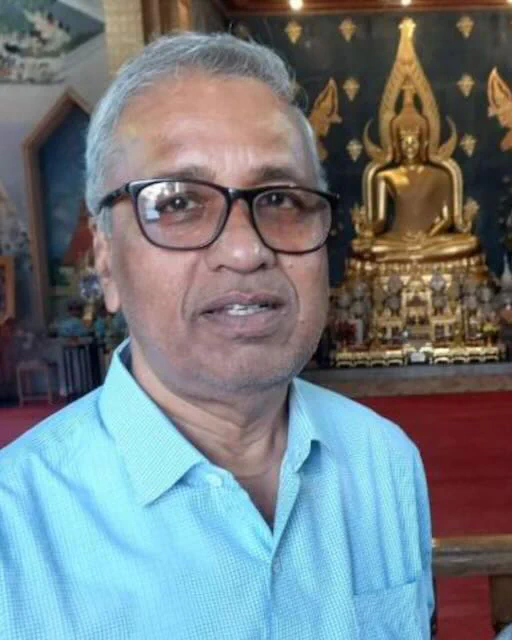
Amitabha Mandal
Planning Coordinator
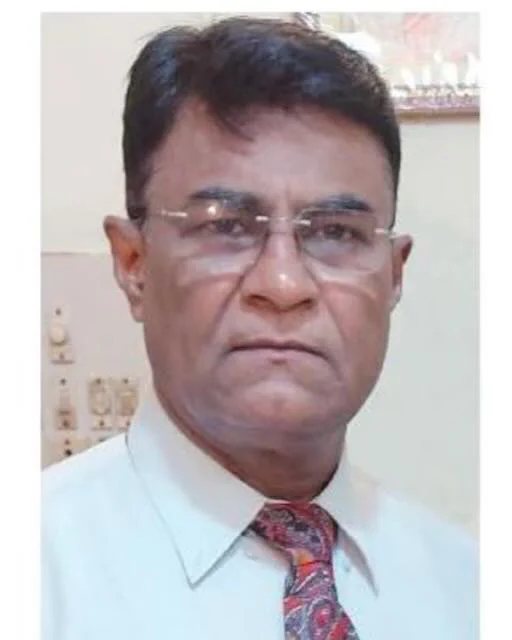
Tapan Mistry
Implementation Coordinator
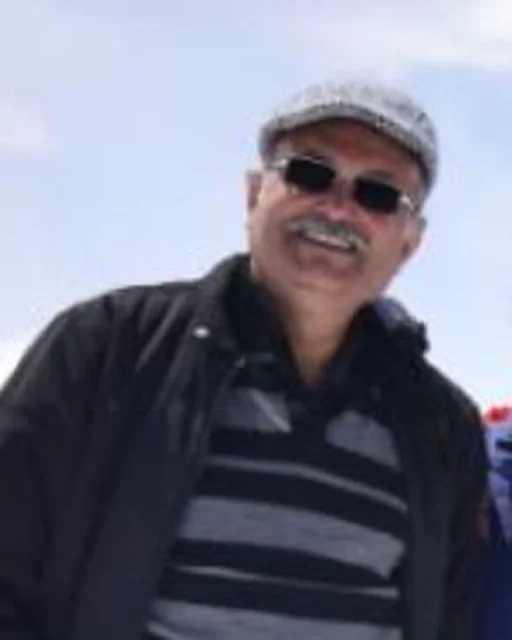
Ujjal Dutta
Implementation Coordinator
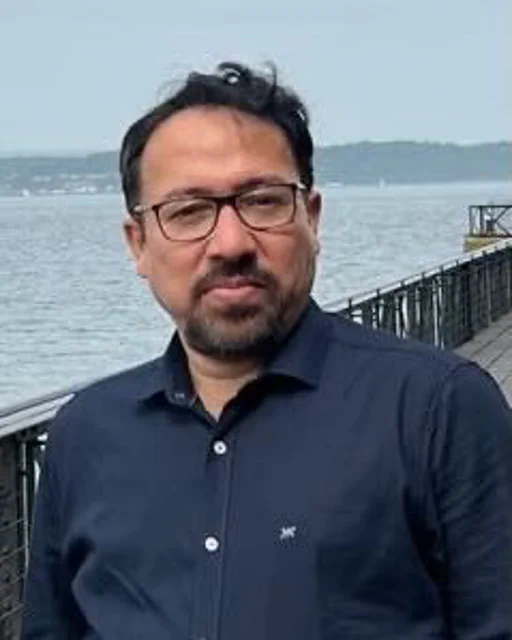
Sanjoy Roy
Implementation Coordinator
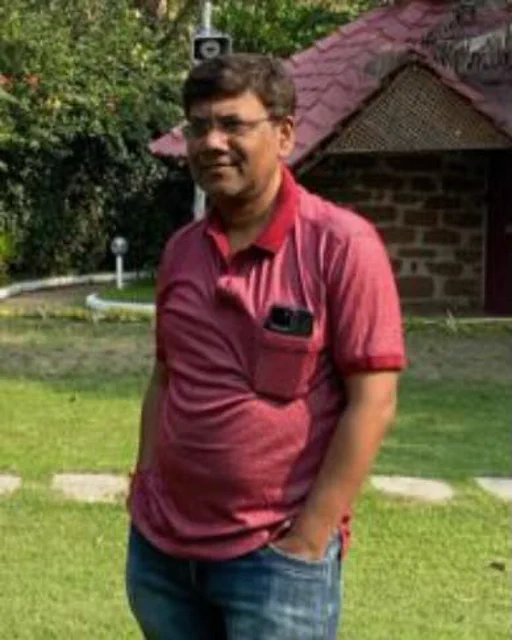
Abhijit Paul
Implementation Coordinator
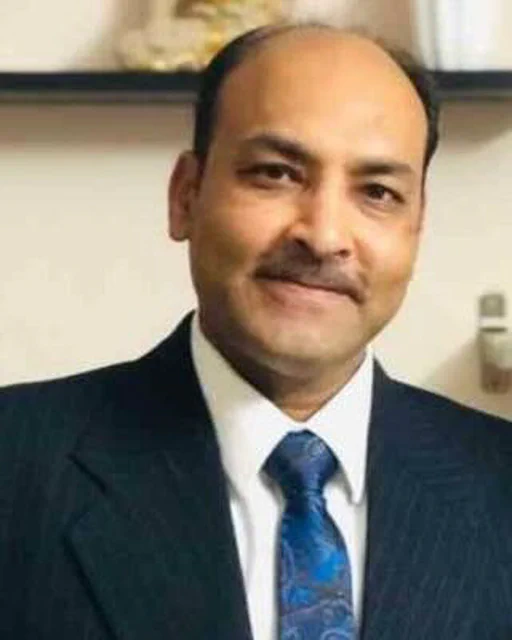
Ajay Kumar Rathi
Implementation Coordinator

Harmeet Singh Anand
Implementation Coordinator
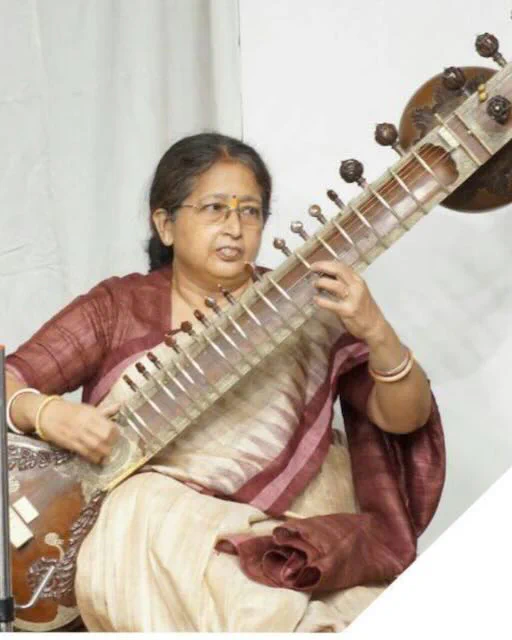
Shikha Nath
Planning Coordinator
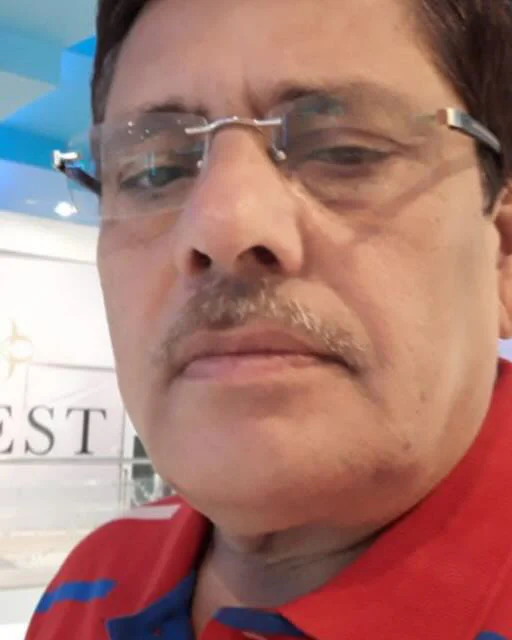
Santosh Kumar Sinha
Planning Coordinator
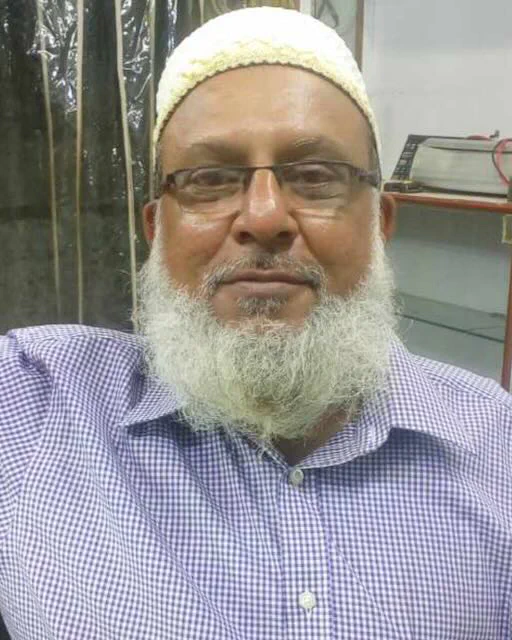
Mohammedi Rangoonwala
Planning Coordinator
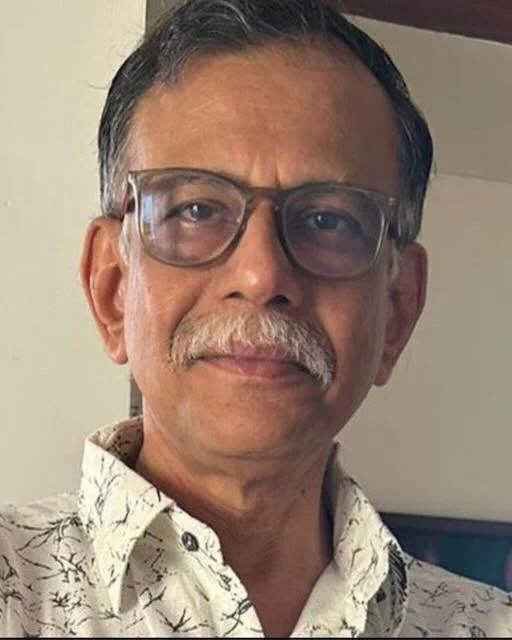
Parthapratim Brahma
Planning Coordinator

Saswati Chakravorty
Volunteer Coordinator
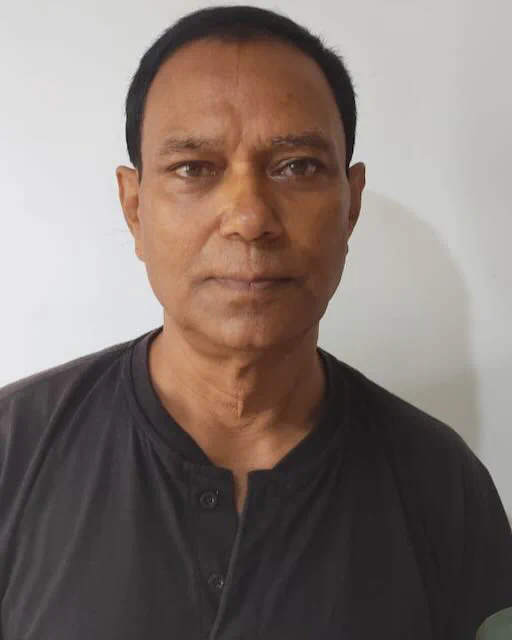
Subhash Dey
Volunteer Coordinator
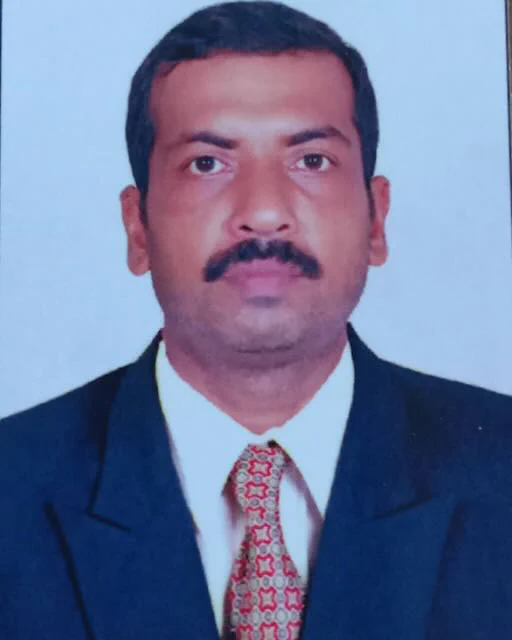
Dinabandhu Mondal
Volunteer Coordinator
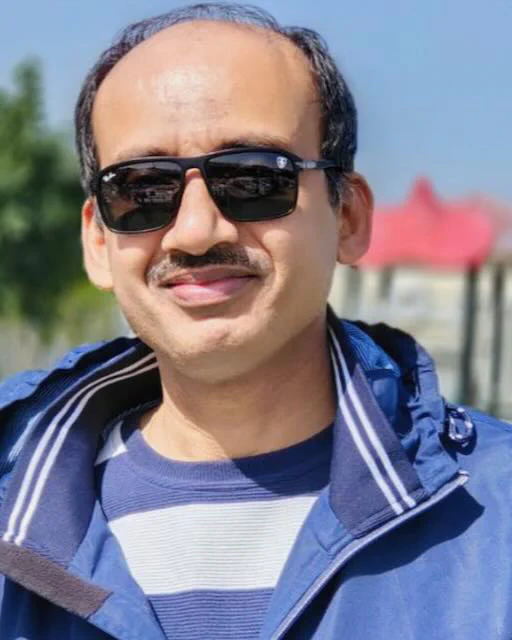
Biswajit Chakravorty
Volunteer Coordinator
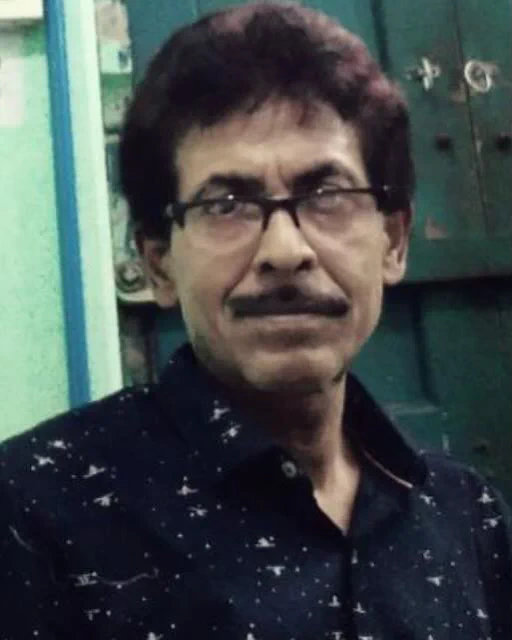
Shyamal Kumar
Volunteer Coordinator
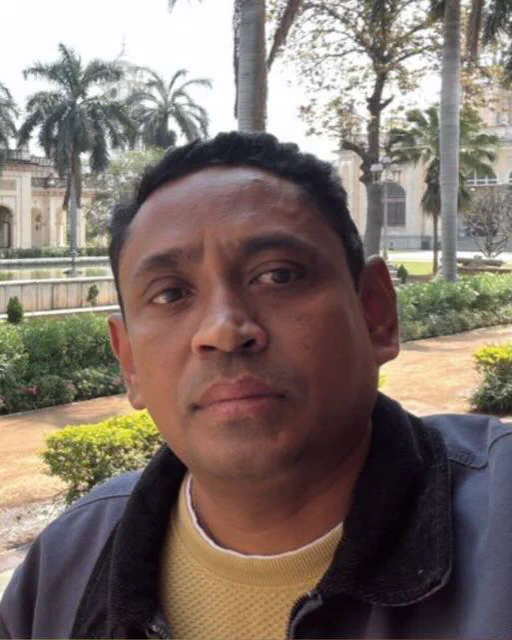
Santanu Ghosh
Volunteer Coordinator

Pralay Kumar Bhowmick
Volunteer Coordinator
7 - Why Developer Model Is Fundamentally Risky Irrespective of Initial Investment
Many BBCL plot holders are being told that a developer may bring additional investment into the project. While that sounds attractive, investment alone does not eliminate risk. The more important questions are who controls the land, who controls the money, what happens if disputes arise, and whether plot holders are expected to pay similar development charges under both models. This article explains why many stakeholders believe the Contractor Model provides stronger protection, flexibility, and control.
When people hear that a developer may invest crores of rupees, the proposal naturally sounds attractive.
However, before focusing on the size of the investment, plot holders should ask a few simple questions:
- Who controls the land?
- Who controls the money?
- What happens if the project faces difficulties?
- Can the executing party be replaced?
- If plot holders must still pay development charges, what additional benefit is being obtained?
This article explains why many stakeholders believe that the Contractor Model may provide a safer and more practical path for BBCL plot holders.
The Wrong Question
Most discussions begin with:
“How much money will the developer invest?”
But that may not be the most important question.
The more important question is:
“What risks am I taking in exchange for that investment?”
Every plot holder wants development.
However, development should not come at the cost of unnecessary risk.
For most families, the land itself is the most valuable asset.
Therefore, before discussing investment, it is important to understand who controls that asset.
Question 1: Who Controls My Land?
This is the most important question of all.
Contractor Model
Under the Contractor Model:
- The land remains under the control of plot holders.
- Contractors are hired to perform specific work.
- Ownership remains with stakeholders.
- Contractors can be changed if necessary.
- Development can continue even if one contractor fails.
The contractor is simply a service provider.
Developer Model
Under a typical Developer Model:
- Additional powers and authorities may be granted to the developer.
- Development becomes dependent on a single implementing party.
- Stakeholders may have less direct control over future decisions.
- Replacing the developer may become significantly more difficult.
For an ordinary plot holder, the practical question is simple:
If my land is my most valuable asset, why should I voluntarily reduce my control over it?
Question 2: Why Is Power of Attorney Such a Serious Issue?
Many developer-led proposals require some form of Power of Attorney (PoA).
A PoA allows another person or entity to act on your behalf.
Before granting such authority, every plot holder should understand:
- What powers are being granted?
- How long will they remain effective?
- What rights are being transferred?
- What happens if disagreements arise later?
Many stakeholders have expressed concern that once land-related rights and authorities become intertwined with development arrangements, future disputes may become more complicated than they are today.
For an ordinary family, the concern is straightforward:
The more control you give away, the harder it may become to regain that control later.
This is one of the main reasons many stakeholders prefer a model where ownership and control remain directly with plot holders.
Question 3: Who Is Really Paying?
A common argument is:
“The developer will invest money.”
This sounds attractive.
But stakeholders should understand a simple business principle.
Investment is not charity.
Investment normally expects:
- Recovery of capital
- Recovery of costs
- Compensation for risk
- Profit
Therefore, the important question is:
If the developer invests money, how will that money eventually be recovered?
Every stakeholder should clearly understand that answer before making a decision.
Question 4: Are Plot Holders Actually Paying Less?
This is where many stakeholders have started asking practical questions.
Based on current discussions:
- Under the Contractor Model, plot holders may be expected to contribute approximately ₹30,000 per katha.
- Under the Developer Model, plot holders may also be expected to contribute approximately ₹30,000 per katha.
If that is the case, then a very simple question arises:
If I am paying approximately the same amount under both models, what additional benefit am I receiving in exchange for giving up greater control?
Many stakeholders believe this is the single most important question that needs to be answered.
Question 5: What Happens If Things Go Wrong?
Every project has risk.
The real issue is not whether risk exists.
The real issue is:
What happens if the project encounters difficulties?
Contractor Model
If a contractor performs poorly:
- The contractor can be replaced.
- The land remains with plot holders.
- Development can continue with another contractor.
- Stakeholders retain decision-making power.
Developer Model
If extensive rights, powers, or authorities have already been granted:
- Replacing the developer may become more complicated.
- Additional legal processes may be required.
- Stakeholders may have less flexibility to change course.
The difference is not whether problems occur.
The difference is how easily those problems can be solved.
Question 6: Which Model Provides More Transparency?
Most plot holders want simple answers:
- Who is receiving the money?
- Who is spending the money?
- Who approves the work?
- Who verifies the costs?
Under a contractor-based structure, stakeholders generally have more direct visibility into the work being performed and the payments being made.
Many stakeholders therefore believe that the Contractor Model provides a simpler and more transparent structure.
A Simple House-Building Example
Imagine you want to build a house.
Option A
You hire a contractor.
- You own the land.
- You pay for the construction.
- You supervise the work.
- You can change the contractor if required.
Option B
You transfer significant authority to another party.
- You still pay most of the construction cost.
- You become dependent on that party.
- Replacing that party may become difficult later.
Most families would think very carefully before choosing Option B.
Many stakeholders view the BBCL decision in a similar way.
The Real Difference Between the Two Models
The debate is often presented as:
Developer Investment vs No Developer Investment
Many stakeholders believe that this is not the real issue.
The real comparison is:
Contractor Model
- Land remains under stakeholder control.
- No broad transfer of authority is required.
- Contractors can be replaced.
- Financial structure is simpler.
- Risks are generally easier to manage.
Developer Model
- Additional investment may be available.
- Greater dependence on a single party may be created.
- Additional legal arrangements may be required.
- Future changes may become more difficult.
The Final Question Every Plot Holder Should Ask
Before supporting any proposal, every plot holder should ask one simple question:
If I am expected to contribute approximately the same development charges under both models, why should I accept additional risks relating to land control, Power of Attorney, and long-term dependency on a developer?
Every stakeholder may reach their own conclusion.
However, many plot holders believe that the Contractor Model offers a simpler principle:
Keep control of the land.
Hire professionals to do the work.
Replace them if they fail.
Never give away more control than necessary.
For many stakeholders, that is the safest path toward completing the project while protecting both their investment and their land.